
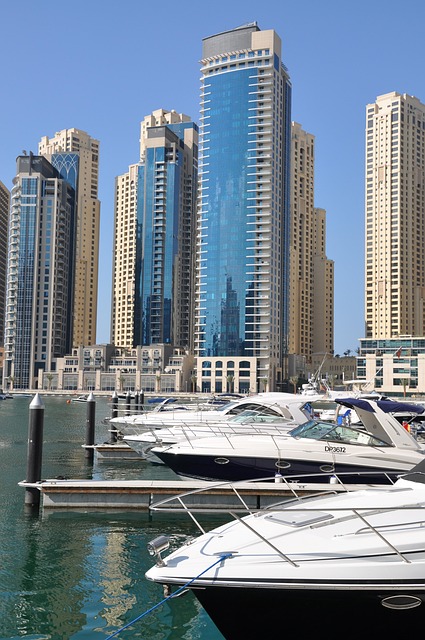
Dubai has long marketed itself as one of the world’s safest, most glamorous and most efficient tourist destinations. With luxury hotels, record-breaking skyscrapers and a reputation for stability in an often turbulent region, the city built an image that attracted millions of visitors every year. However, recent controversies and growing global scrutiny have raised serious questions about whether that reputation can be sustained without significant reforms. Some analysts now believe it could take years for Dubai to fully regain the trust of international tourists.
Reputation Built on Image
For decades, Dubai’s tourism model relied heavily on a carefully managed global image. The emirate invested billions in infrastructure, entertainment projects and international marketing campaigns designed to portray the city as a futuristic playground for business travelers, influencers and vacationers alike. Massive events such as Expo 2020, luxury shopping festivals and high-profile sports competitions helped reinforce this narrative.
Yet critics have long argued that the image presented to tourists often hides a more complicated reality. Issues such as labor conditions for migrant workers, strict laws governing speech and personal behavior, and a lack of transparency in some sectors have periodically drawn international criticism.
Growing Concerns Among Visitors
In recent years, travelers have become more aware of these issues. Social media, investigative journalism and viral online incidents have made it harder for destinations to control their image. Several controversies involving tourist arrests, strict regulations on public behavior and concerns about surveillance have sparked debate about how welcoming the city truly is.
Tourists accustomed to more liberal environments may find Dubai’s legal framework difficult to navigate. Laws regarding alcohol consumption, public conduct, relationships and online speech remain stricter than in many Western countries. While many visitors never encounter problems, the possibility of severe legal consequences for seemingly minor infractions has raised concerns among some travelers.
Human Rights and Labor Issues
Another factor affecting Dubai’s global perception is criticism from human rights organizations. Groups such as Amnesty International and Human Rights Watch have repeatedly highlighted concerns about migrant worker conditions, including long hours, limited legal protections and restrictions on mobility under the sponsorship system.
These workers form the backbone of Dubai’s construction, hospitality and service industries—the same sectors that support the city’s booming tourism economy. Critics argue that ignoring these issues risks undermining the ethical credibility of the destination, particularly among younger travelers who increasingly consider social responsibility when choosing where to travel.
Economic Dependence on Tourism
Tourism is a central pillar of Dubai’s economy. The emirate receives tens of millions of visitors annually, and tourism-related sectors—from airlines to retail—generate billions of dollars in revenue.
Because of this dependence, even a moderate decline in international confidence could have far-reaching economic consequences. Hotels, airlines, restaurants and event organizers all rely on consistent tourist flows. A prolonged reputational crisis could ripple through the entire regional economy.
Competition from Other Destinations
Dubai is also facing growing competition from other global tourism hubs. Cities in Asia, Europe and the Middle East are investing heavily in infrastructure, cultural attractions and more liberal tourism policies.
Saudi Arabia, for example, has launched massive tourism projects aimed at attracting international visitors, while cities such as Singapore and Doha continue to strengthen their positions as luxury travel destinations. If travelers perceive these alternatives as more transparent or welcoming, Dubai could lose part of its market share.
The Challenge of Rebuilding Trust
Rebuilding trust in the tourism industry is rarely quick. Perception often lags behind reality, and even meaningful reforms can take years to influence global opinion.
Experts suggest that Dubai would need to focus on several areas to restore confidence:
-
Greater transparency in legal processes involving foreign visitors
-
Improved labor protections for migrant workers
-
Clearer communication about local laws and cultural expectations
-
Stronger commitment to human rights standards
Such measures could help reassure international audiences that the emirate is serious about balancing economic growth with social responsibility.
A Long Road Ahead
Dubai remains a powerful global brand and continues to attract millions of visitors. Its infrastructure, airlines and hospitality sector are among the most advanced in the world. However, the city’s long-term success as a tourism hub will depend not only on luxury and spectacle but also on trust.
If doubts about safety, transparency and ethics persist, rebuilding confidence may take many years. For a destination built on reputation, trust may ultimately prove to be the most valuable currency of all.
Dubai könnte Jahre brauchen, um das Vertrauen der Touristen zurückzugewinnen
Dubai gilt seit Jahren als eines der bekanntesten und luxuriösesten Reiseziele der Welt. Mit spektakulären Wolkenkratzern, riesigen Einkaufszentren und exklusiven Resorts hat sich die Stadt als Symbol für modernen Luxus und wirtschaftlichen Erfolg präsentiert. Doch in den letzten Jahren haben verschiedene Kontroversen und zunehmende internationale Kritik dazu geführt, dass das Vertrauen vieler Reisender in das Emirat ins Wanken geraten ist. Experten warnen, dass Dubai mehrere Jahre brauchen könnte, um dieses Vertrauen vollständig wiederherzustellen.
Ein Image, das sorgfältig aufgebaut wurde
Dubais Tourismusstrategie basierte lange auf einer stark kontrollierten internationalen Darstellung. Milliardeninvestitionen in Infrastruktur, Prestigeprojekte und weltweite Werbekampagnen sollten die Stadt als futuristische Metropole darstellen. Großereignisse wie die Expo 2020, internationale Sportveranstaltungen und Luxusfestivals spielten dabei eine zentrale Rolle.
Kritiker bemängeln jedoch, dass dieses Hochglanzbild nicht immer die gesamte Realität widerspiegelt. Themen wie Arbeitsbedingungen von Gastarbeitern, restriktive Gesetze sowie mangelnde Transparenz in bestimmten Bereichen haben immer wieder internationale Aufmerksamkeit erregt.
Wachsende Skepsis bei Reisenden
Durch soziale Medien und internationale Berichterstattung sind Reisende heute deutlich besser informiert als früher. Einzelne Vorfälle – etwa Festnahmen von Touristen oder strenge Strafen für relativ kleine Gesetzesverstöße – verbreiten sich schnell weltweit.
Viele Besucher aus liberaleren Gesellschaften sind überrascht, wie streng manche Gesetze in Dubai ausgelegt werden. Vorschriften zu Alkohol, öffentlichem Verhalten, Beziehungen oder Online-Kommentaren können deutlich strenger sein als in Europa oder Nordamerika. Zwar erleben die meisten Touristen keine Probleme, doch die möglichen Konsequenzen sorgen bei einigen für Unsicherheit.
Kritik an Arbeitsbedingungen
Ein weiterer Kritikpunkt betrifft die Arbeitsbedingungen von Millionen ausländischer Arbeitskräfte, die in Bau, Gastronomie und Tourismus tätig sind. Menschenrechtsorganisationen wie Amnesty International oder Human Rights Watch weisen seit Jahren auf Probleme hin, darunter lange Arbeitszeiten, begrenzte Arbeitnehmerrechte und Abhängigkeiten im sogenannten Sponsorensystem.
Gerade diese Arbeitskräfte bilden jedoch das Fundament der Infrastruktur, von der Dubais Tourismusindustrie lebt. Kritiker argumentieren daher, dass solche Probleme langfristig das internationale Ansehen der Stadt beschädigen könnten.
Wirtschaftliche Bedeutung des Tourismus
Tourismus ist ein zentraler Bestandteil der Wirtschaft Dubais. Jährlich besuchen zig Millionen Menschen die Stadt. Hotels, Fluggesellschaften, Einkaufszentren und Freizeitparks generieren enorme Einnahmen.
Sollte das Vertrauen internationaler Besucher sinken, könnte dies erhebliche wirtschaftliche Auswirkungen haben. Ein Rückgang der Touristenzahlen würde zahlreiche Branchen gleichzeitig treffen – von der Hotellerie über den Einzelhandel bis hin zum Transportsektor.
Konkurrenz durch andere Reiseziele
Gleichzeitig wächst die Konkurrenz. Städte und Regionen weltweit investieren massiv in neue Tourismusprojekte.
Vor allem im Nahen Osten baut Saudi-Arabien derzeit große Tourismusregionen auf. Auch Metropolen wie Singapur, Doha oder europäische Städte entwickeln neue Angebote, um internationale Besucher anzuziehen. Wenn diese Destinationen als offener oder transparenter wahrgenommen werden, könnte Dubai Marktanteile verlieren.
Vertrauen zurückzugewinnen ist schwierig
Das Vertrauen von Reisenden zurückzugewinnen ist ein langwieriger Prozess. Selbst wenn Reformen umgesetzt werden, dauert es oft Jahre, bis sich das internationale Image verändert.
Experten sehen mehrere mögliche Schritte:
-
mehr Transparenz bei juristischen Verfahren gegen Touristen
-
bessere Arbeitsrechte für migrantische Beschäftigte
-
klarere Informationen über lokale Gesetze und kulturelle Regeln
-
stärkere Orientierung an internationalen Menschenrechtsstandards
Eine Herausforderung für die Zukunft
Dubai verfügt weiterhin über eine hochentwickelte Infrastruktur und eine weltweit bekannte Marke. Dennoch zeigt sich zunehmend, dass Luxus allein nicht ausreicht, um langfristig attraktiv zu bleiben.
Letztlich hängt die Zukunft Dubais als globales Touristenziel nicht nur von spektakulären Bauprojekten ab, sondern vor allem von Vertrauen, Glaubwürdigkeit und internationaler Reputation. Sollte dieses Vertrauen beschädigt bleiben, könnte es tatsächlich viele Jahre dauern, bis es vollständig wiederhergestellt ist.







Kommentar hinterlassen